BMI Reduction Diet Plan for Women: A Simple and Effective Guide
Are You Looking for a BMI reduction diet plan for women? Discover simple, healthy, and effective diet tips to lose weight naturally and improve overall wellness.
Staying at a healthy weight matters for general well-being – especially for many women who keep track of their Body Mass Index (BMI). Quick diets might catch attention, yet rarely lead to long-term change. Instead, slow progress happens when eating patterns are steady, varied, right-sized, day after day.
Finding ways to gently shift your eating habits might just be the key. A different path opens when small choices add up over time. Picture meals that feel natural, not forced. Each day offers chances to make swaps without pressure building. Think of it like tuning an instrument – tiny adjustments bring balance. What you eat matters less than how it fits your life. Sticking with changes means they must feel doable, never extreme. Progress shows slowly, yet steadily, when routines stay real.
Table of Contents
How BMI Influences Women’s Health
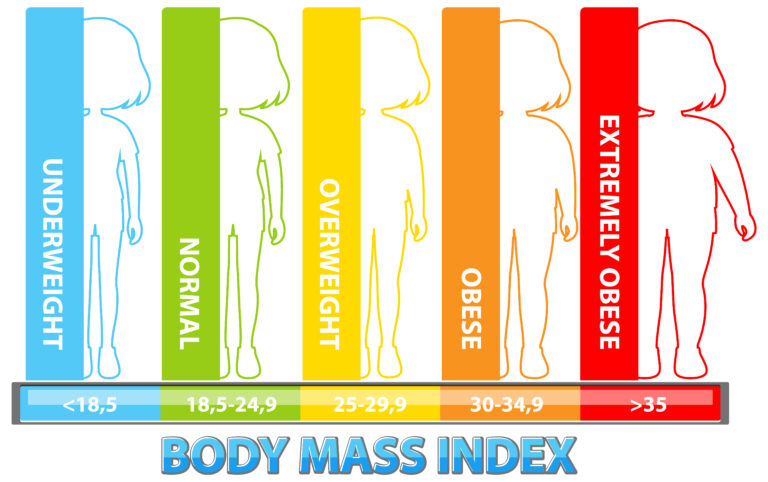
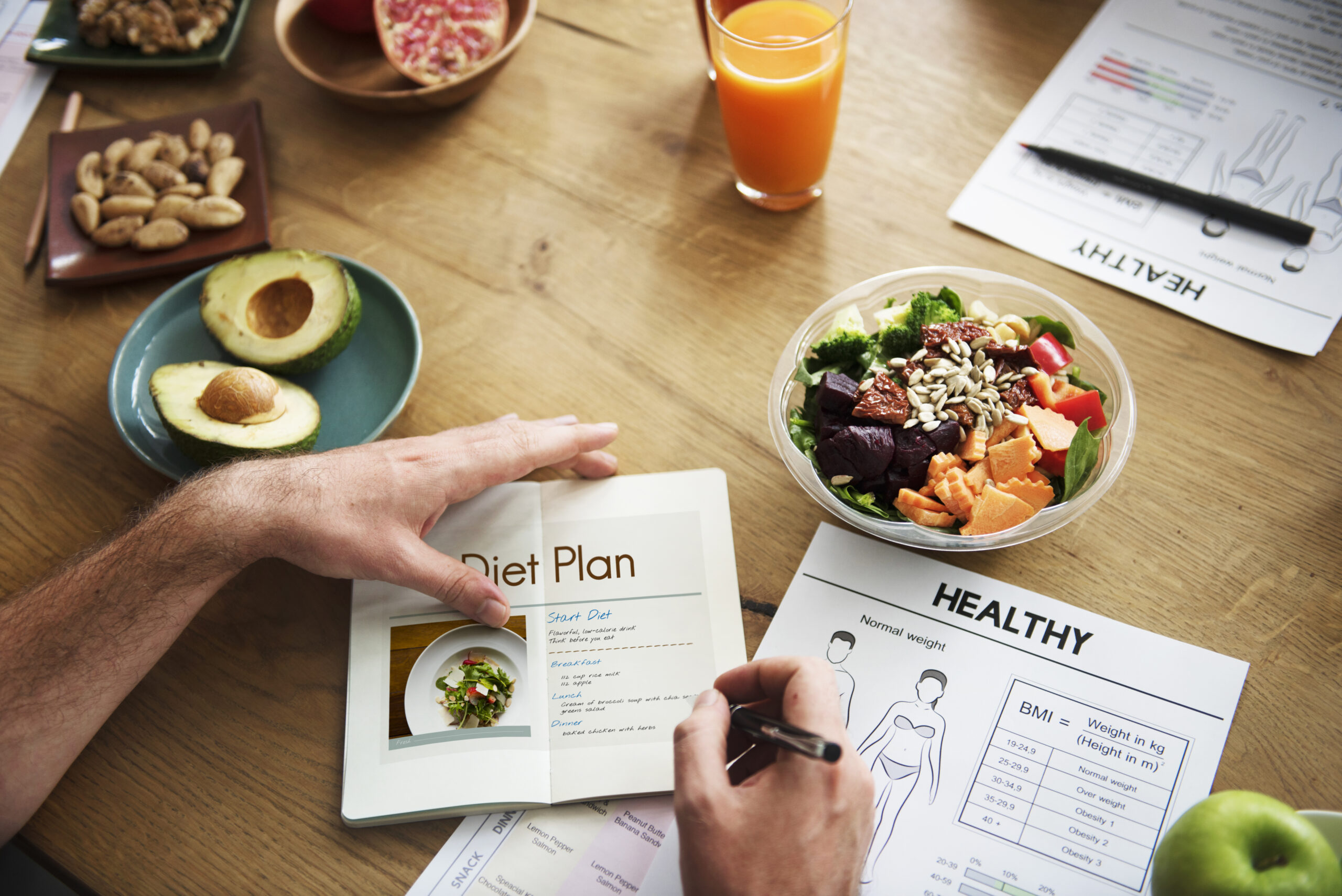
Built from just height plus weight, Body Mass Index gives a rough idea about where someone falls on the scale of typical weight ranges. Even though it skips measuring fat directly, many rely on it to gauge overall health.
A woman’s well-being might shift when her body mass index climbs, bringing extra chances of tiredness, disrupted hormones, trouble with circulation, or changes in how the body processes fuel. Confidence sometimes dips along with daily comfort. Staying steady on a practical path toward lower numbers matters – health down the road often depends more on consistency than looks.
Healthy eating habits weight management tips women
- Create a Sustainable Calorie Deficit
Eating less than your body burns is how you drop BMI. Still, slashing calories too hard might backfire – energy levels dip, hunger spikes. A balanced gap between intake and output keeps things moving safely forward. Progress stays consistent when nutrition doesn’t take a hit. - Prioritize Whole and Natural Foods
Starting strong with real food means getting more goodness inside you without extra fuss. Fresh fruit shows up nicely alongside leafy greens at lunchtime sometimes. A bowl of oats beats a sugary option almost every morning now. Beans sit well in soups when nothing else feels right halfway through winter. Nuts appear useful between meals if hunger knocks early. Carrots stay crunchy even after hours sitting out. Brown rice fills the plate without stealing attention from spices nearby. - Increase Protein To Feel Fuller
Most folks feel fuller longer when they eat enough protein each day. Meals that skip it often leave someone searching for snacks later. Staying strong while losing weight? That’s where this nutrient steps in quietly. Every bite of chicken, beans, or yogurt adds up without making things complicated. Fullness between meals isn’t magic – just smart choices showing results. - Including Healthy Fats in Moderation
Fats that do good things live in nuts, seeds, maybe even a drizzle of olive oil – these help your body manage hormones while making hunger fade slower. Watch how much though. Portion size decides if it helps. - Limits on Sugar and Processed Foods
Foods packed with processing along with sweetened beverages slip in empty calories – little nourishment comes with them. Cutting back on such items often helps lower body mass index over time. - Stay Hydrated
Thirst shows up looking like hunger, more than once. When water intake stays steady during daylight hours, cravings tend to settle down – also helps food move through the gut smoothly.
Simple Eating Guide to Lower BMI for Women
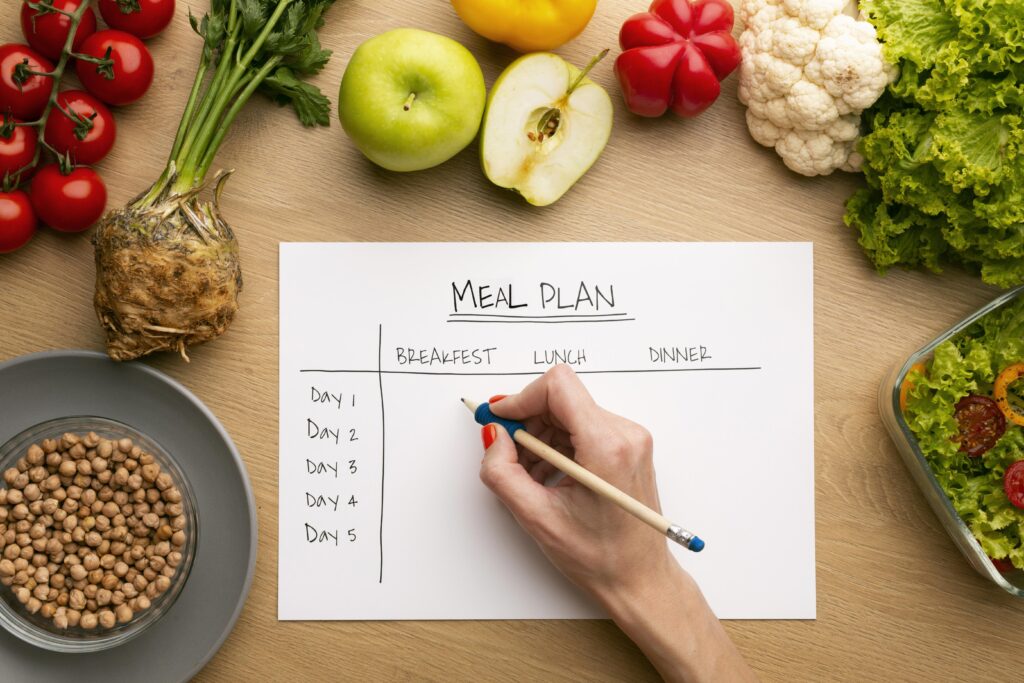
A day can look like this when things are balanced. One part activity, another time for rest. Meals happen at steady points throughout. Work fits in without taking over. Space exists for quiet moments too. This kind of rhythm keeps everything moving smoothly
Breakfast:
A spoonful of oats gets better with ripe fruit on top. A sprinkle of chia adds texture along the way. Almonds arrive quietly, one by one, near the end
Mid-Morning Snack:
Apple or yogurt
Lunch:
Besides grilled chicken, there are lentils. Brown rice comes along with them. Mixed vegetables appear on the side. Sometimes one picks protein first. Other times the grains lead. Colorful veggies finish the plate. Each part stays separate. Nothing blends together. The meal feels balanced without effort
Afternoon Snack:
Green tea with a handful of nuts or seeds
Dinner:
A light bite might be veggie soup, maybe something like grilled fish. Or perhaps a salad that includes protein. Each option keeps things simple without weighing you down. Something warm, flaky fish could work well. A bowl with greens plus some chickpeas or chicken fits too. Not heavy, just enough to reset your energy
Optional:
Herbal tea in the evening
Healthy Foods to Add to Your Meals
To support a healthy BMI, focus on nutrient-dense options:
Fresh greens such as spinach grow best in cool soil. Kale reaches full size when days stay short. Lettuce thrives under morning light, not harsh sun
Fresh from the field, oats bring earthy flavor to meals. Quinoa steps in with a light crunch when cooked just right. Brown rice holds its shape well during slow simmering
Chicken brings lean fuel, followed by fish swimming into view. Eggs show up next, doing their part without fuss. Legumes trail behind, holding steady in the mix
Fresh fruit such as apples, alongside their berry cousins, often bring plenty of fiber; oranges fit right in too
Fats that support your body can be found in almonds, sunflower seeds, plus extra virgin olive oil
Foods to Eat Less Often
Cutting back on certain foods can make a noticeable difference:
Fizzy drinks such as cola or ready-made fruit blends
Fried and fast foods
Refined carbohydrates such as white bread and pastries
Processed snacks high in salt and sugar
Common mistakes to avoid
Wrong choices sneak in when least expected, tripping up progress. A tiny habit might undo careful eating plans. Effort often fails because timing slips without notice. Small errors pile higher than they seem at first glance. What feels harmless can quietly block results
Hunger builds when food is missed, often resulting in larger portions consumed afterward
Following extremely restrictive diets
Ignoring portion sizes
Relying too much on “diet” or low-fat processed foods
Skipping these behaviors might just help your eating routine work better over time. What sticks around often isn’t what slows progress – small shifts do.
Lifestyle Habits That May Help Lower Body Mass Index
Not just what you eat shapes health. Everyday routines matter too – they quietly influence how things turn out. What happens between meals carries weight. Simple moves throughout the day add up, shaping results without fanfare. Choices outside the kitchen count just as much
Move your body often. A stroll down the street does more than you’d think. Every step counts when you’re not sitting all day. Getting up and going, even slowly, keeps things working right inside. Motion matters, no matter how small it seems
Get enough sleep: Poor sleep can affect hunger hormones
Manage stress: Stress can lead to emotional eating
Every day counts when tiny actions stack up over time
Conclusion
A shift toward better habits shapes how women manage BMI without harsh limits. Instead of chasing quick drops on the scale, steady progress matters most. Choosing meals with care helps – movement does too when done regularly. Small steps link together, forming a routine that lasts. Long-term success grows from patience, not pressure. What counts is showing up each day with purpose.
Frequently Asked Questions (FAQs)
1. What is the best BMI reduction diet plan for women?
The best BMI reduction diet plan for women includes a balanced mix of whole foods such as fruits, vegetables, lean proteins, and whole grains. It focuses on a moderate calorie deficit, portion control, and long-term sustainability rather than quick fixes.
2. How long does it take to reduce BMI?
BMI reduction is a gradual process. With a healthy diet and regular activity, most women can start seeing changes within a few weeks, but noticeable and sustainable results usually take a few months.
3. Can I reduce BMI without exercise?
Yes, it is possible to reduce BMI through diet alone by controlling calorie intake. However, combining a healthy diet with regular physical activity gives faster and more sustainable results.
4. What foods help reduce BMI quickly?
Foods rich in protein and fiber—such as eggs, chicken, lentils, vegetables, and whole grains—can help reduce BMI by keeping you full and reducing overall calorie intake.
5. Should I avoid carbs to lower BMI?
No, you don’t need to completely avoid carbs. Instead, focus on healthy carbohydrates like oats, brown rice, and whole grains, and limit refined carbs like white bread and sugary foods.
6. Is a BMI reduction diet safe for all women?
Generally, a balanced diet is safe, but women with medical conditions or specific health concerns should consult a healthcare professional before starting any new diet plan.
7. How many meals should I eat in a day?
Most women benefit from 3 main meals and 1–2 healthy snacks per day. The key is maintaining portion control and avoiding overeating.
حساب BMI (مؤشر كتلة الجسم) | احسب وزنك المثالي بدقة ومعرفة حالتك الصحية