
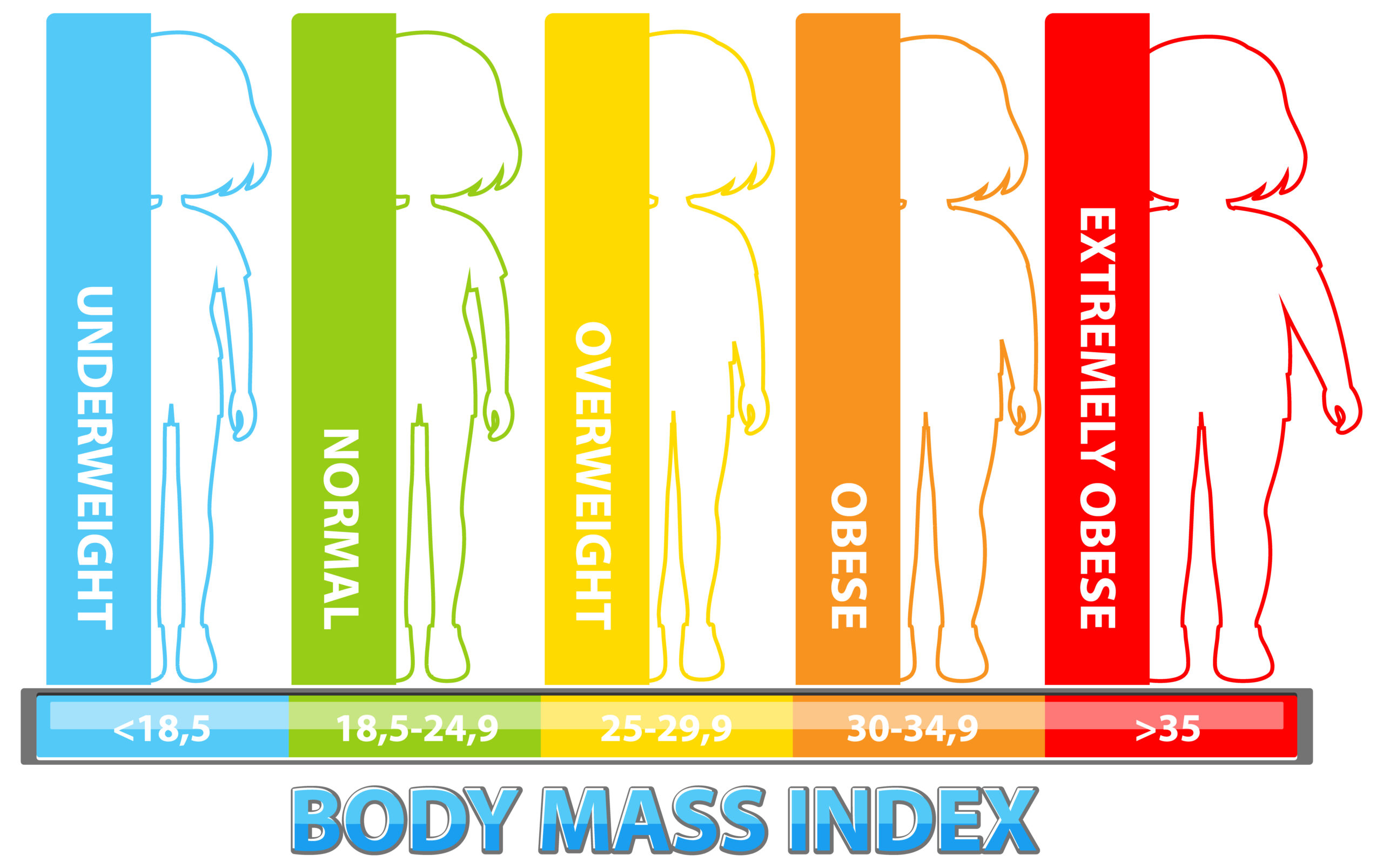
Understanding Your Body Mass Index (BMI): A Simple Guide to Healthy Weight
Your body mass index, which is often used for adult men and women, calculates body fat based on your height and weight. It is just one measure of health. Your body mass index does not take into account bone density, muscle mass, and overall body composition. To find out if your body mass index is within a range for you, a healthcare professional considers your body mass index in addition to other measurements.
Table of Contents
What Is Body Mass Index and How Is It Calculated?
Your body mass index is a metric that determines whether you are within a healthy weight range based on your height and weight. The formula is simple:
Weight in kilograms divided by height squared in meters squared is the metric.
For people who use the system: weight in pounds multiplied by 703 and then divided by height squared in inches squared.
For people it provides a general sense of body fatness and is a screening tool rather than a diagnostic test. Because it is quick, affordable, and frequently correlates with direct fat-measurement techniques, it is widely used even though it does not measure body fat directly.
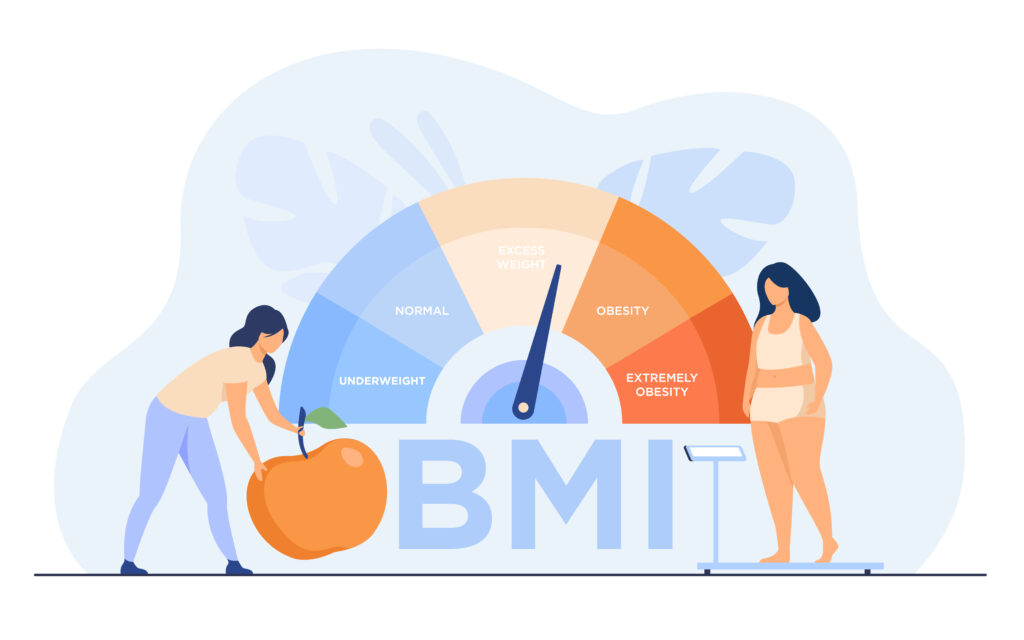
Body Mass Index Categories for Adults
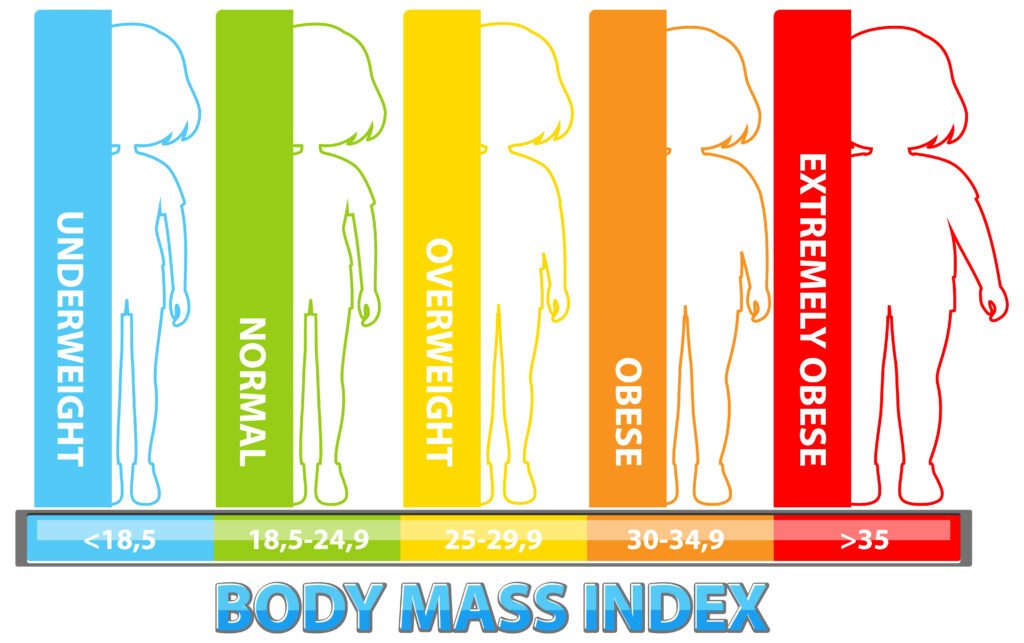
Your body mass index is divided into a number of categories by the World Health Organization. The ranges for adults who are 20 years of age or older are:
- Body mass index classification
- Extreme Thinness is than 16
- Moderate Thinness is 16 to 17
- Mild Thinness is 17 to 18.5
- Healthy or normal is 18.5 to 25
- Overweight is 25 to 30
- Class I Obesity is 30 to 35
- Class II Obesity is 35 to 40
- Class III Obesity is greater than 40
These ranges help determine health hazards. It is worthwhile to examine your lifestyle thoroughly and speak with a healthcare professional if your body mass index is outside of the typical range.
Why Does Body Mass Index Matter? Understanding the Risks
Risks of Being Overweight
Being overweight affects every system in your body, so it is not just about how you look. The Centers for Disease Control and Prevention state that individuals with a body mass index in the overweight or obese range are more likely to have:
- Elevated blood pressure
- Poor cholesterol levels, which is low HDL and high LDL
- Diabetes type 2
- Stroke and coronary heart disease
- Gallbladder illness
- decline or osteoarthritis
- Breathing problems and sleep apnea
- Endometrial, breast, colon, kidney, gallbladder and liver cancers
- Reduced life. Mental health conditions like anxiety and depression
- Mobility issues and persistent pain
To put it briefly, most adults who maintain a body mass index below 25 are at a risk of developing numerous serious health conditions.
Risks of Being Underweight
There are issues associated with being underweight. It may indicate an underlying condition, an eating disorder, or malnutrition. Risks to your health include:
- Anemia and nutritional deficiencies
- Immune system weakness, which is frequent infections
- Fragile bones due to osteoporosis and a higher risk of fracture
- Delays in children’s and teenagers’ growth
- Women’s reproductive problems, like periods or an increased risk of miscarriage
- Increased risk of death following surgery
Seeking professional advice is crucial if you or someone you know is underweight without a clear cause.
Important Limitations: Body Mass Index Is Not Everything
Although it has known limitations, your body mass index is a useful starting point. It does not take into consideration:
- Age: Compared to a person with the same body mass index, older adults may have less muscle and more fat.
- Gender: Compared to men, women are already heavier.
- Muscle mass: Despite being extremely fit, athletes or those with muscle density may be considered overweight.
- Ethnicity: At body mass index thresholds certain ethnic groups—such as Aboriginal and Torres Strait Islander peoples and people of Asian or South Asian descent—may be at greater risk for health problems.
- Pregnancy: Women’s body mass indexes are not reliable.
- Fluid retention: Excess fluid, not fat, may be the cause of a body mass index in people with conditions like heart failure.
Because of these factors, your body mass index alone should never be used as the measure of health.
The Waist Measurement: A Helpful Addition
Physicians frequently advise taking your waist circumference in addition to your body mass index. Visceral fat or fat that is stored around the abdomen is especially associated with diabetes and heart disease. Even if your body mass index is normal, a waist measurement above the recommended threshold indicates risk.
Are You in a Healthy Range? What to Do Next
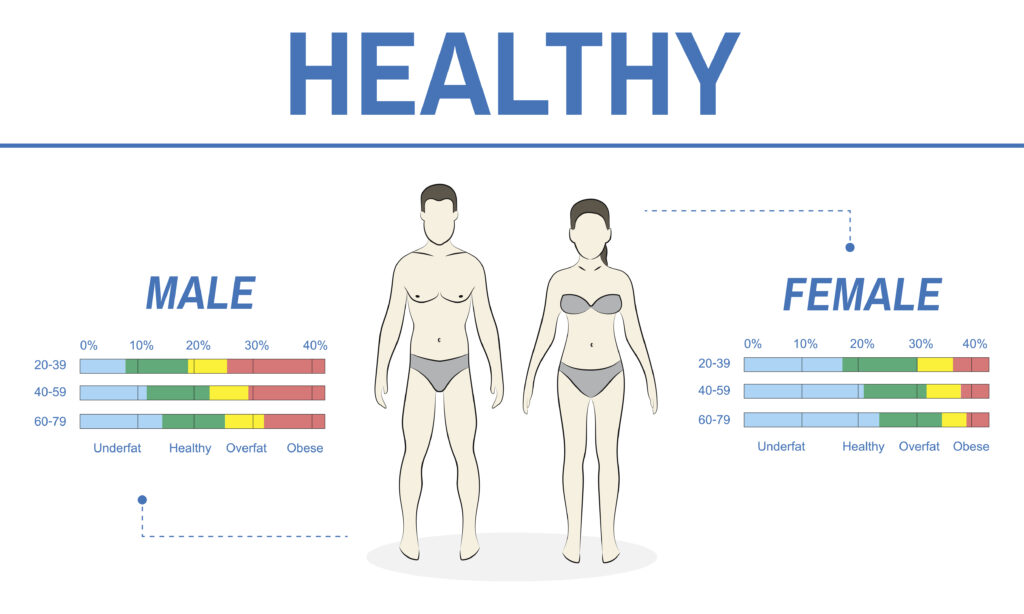
If your body mass index is not in the range, do not worry. Use it as a reason to talk to your doctor or a dietitian who is qualified. They can help you:
- Understand what a healthy weight means for you.
- Set goals that are achievable and make sense.
- Make a plan that includes eating and being active.
Conclusion
Your body mass index is helpful. It is not the thing that matters. A healthy life is more than a number. Eating food that’s good for your heart, being active, dealing with stress, and seeing a doctor regularly all help you be well in the long run.
Remember: your health is special. If you have questions about your body mass index, weight, or health, talk to a professional who can give you advice that’s just for you.
حساب BMI (مؤشر كتلة الجسم) | احسب وزنك المثالي بدقة ومعرفة حالتك الصحية